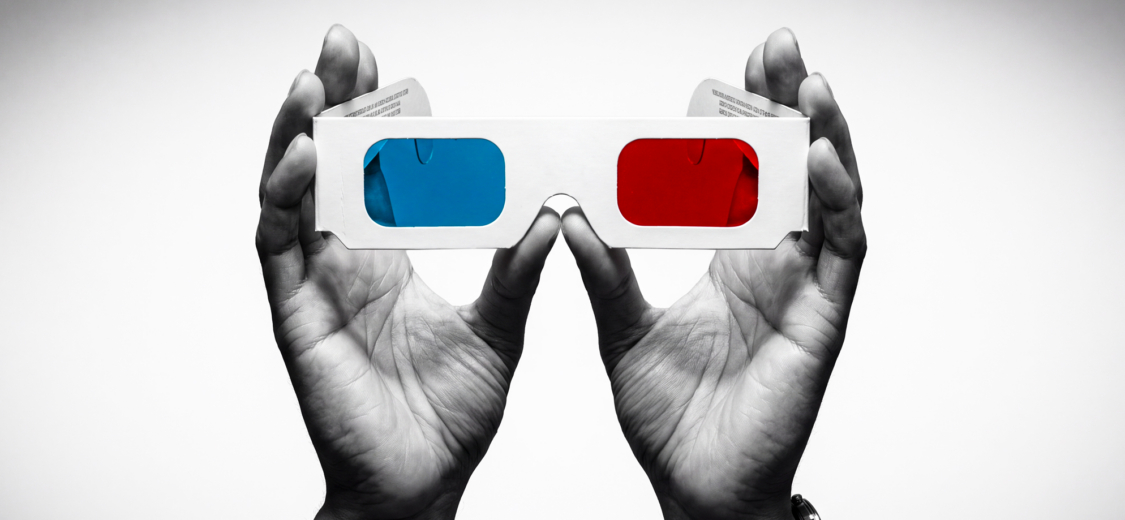
Can your people see what you see?
Vision isn’t enough. People need to see it.
Every business talks about vision. It appears on websites, in annual reports, on office walls and at leadership conferences. But vision isn’t a destination. It’s a picture of a different future. The challenge isn’t creating the vision. It’s helping people see it…
Vision isn’t enough. People need to see it.
Every business talks about vision. It appears on websites, in annual reports, on office walls and at leadership conferences. But vision isn’t a destination. It’s a picture of a different future. The challenge isn’t creating the vision. It’s helping people see it.
That future could take many forms. It might be a shift in business strategy, a move into new markets, a new product or service, an acquisition, a refreshed identity, a merger, a cultural reset, a new operating model or a digital transformation. It could simply be the recognition that the business which succeeded ten years ago won’t be the business that succeeds over the next ten. Whatever form it takes, the type of change is almost irrelevant. What matters is whether people understand why it’s happening, what it means for them and where they fit within it.
Too often organisations focus on launching the change rather than landing it. Leaders spend months refining strategy, analysing markets and building financial models, only to announce the outcome with a presentation and an email. They’re then surprised when employees continue behaving as they always have, customers don’t notice or the market misunderstands what the business is becoming. People don’t connect with strategy. They connect with stories, experiences and repeated signals. Vision only becomes meaningful when people can picture themselves inside it.
Every audience sees the change differently
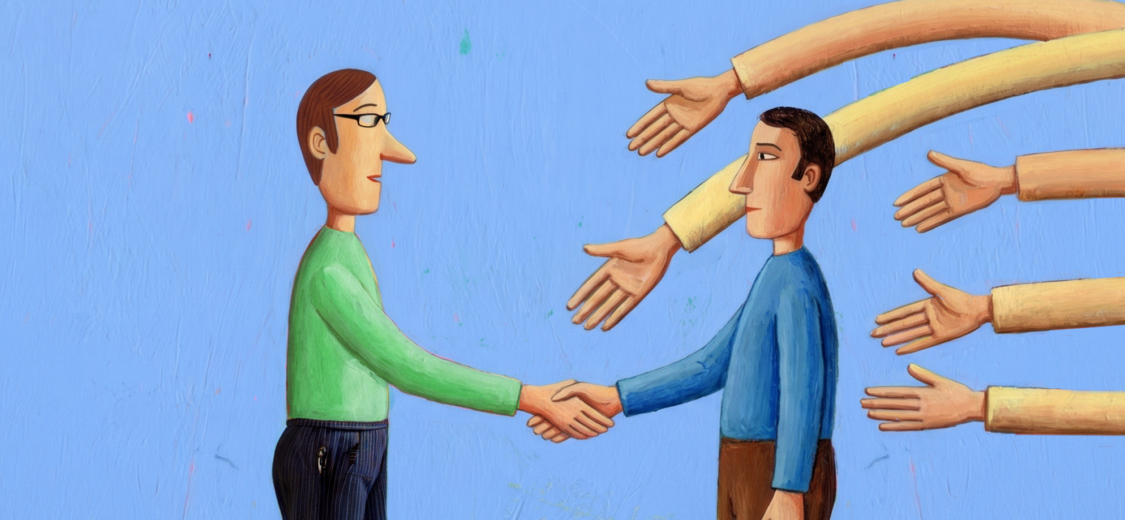
One of the biggest mistakes we see organisations making, is assuming everyone needs to hear the same message. They don’t. Employees want to understand how their role changes and what success now looks like. Customers want confidence that the business they’re buying from is becoming even better. Investors want reassurance that the direction creates value, while partners need clarity about what the change means for the relationship. Future employees are asking a different question again : is this a place worth joining? Every audience sees the same vision through a different lens. The challenge isn’t changing the vision. It’s changing how it’s explained.
Communication isn’t the final step
Communication is often treated as the final box to tick. Strategy comes first, execution follows, and communication is often left until the end. In reality, we believe communication should sit alongside the strategy from the very beginning. The way people discover the vision is often just as important as the vision itself.
That might mean workshops where leaders shape the narrative together, a series of conversations instead of one large announcement, prototypes and pilot programmes that let people experience the future before it’s fully realised, or storytelling through clever tactile printed pieces, interactive experiences, short videos or live events. The goal isn’t simply to communicate the vision. It’s to make people curious enough to explore it. The medium changes, but the objective remains the same : create moments that surprise, engage and help people imagine what comes next.
Engagement creates ownership
The most successful transformations rarely feel like instructions handed down from above. They feel like something people have helped build. When people are invited into the journey, rather than simply informed about it, they become advocates instead of observers. That doesn’t mean every decision should be made democratically. Leadership still requires direction. But engagement creates ownership, and ownership creates momentum.
Vision needs visible proof
People believe what they experience far more than what they’re told. If a business talks about becoming customer centric but continues rewarding internal efficiency above customer outcomes, people quickly conclude that nothing has really changed. If innovation is the ambition but every new idea requires six levels of approval, they stop bringing ideas. If collaboration is the goal but departments remain isolated, people retreat back into silos. Vision isn’t undermined by words. It’s undermined by experience.
Every decision, behaviour and experience either reinforces the vision or quietly erodes it. That’s why successful change extends far beyond a strategy document. It influences products, services, customer experience, culture, recruitment, workplaces, technology, brand, language and leadership behaviours. Everything becomes part of the story.
The organisations that succeed aren’t always those with the boldest vision. They’re the ones that help people understand it. A vision shouldn’t feel like a corporate statement. It should feel inevitable. People should understand where the organisation is going, why it has to go there and why they want to be part of it.
Because the real measure of vision isn’t whether leadership can describe it. It’s whether everyone else can see it.
If this resonates with where your brand is right now, we’d love to have a conversation.
See the work — links to Our Work
See how these ideas play out in practice →
Read more — links to the next or related thought piece
More thinking from Tried&True →