Tegel

TEGEL — 2015 Repositioning

Note : this case-study was created in 2015/16, it has now changed to a different look under new management. 

Challenge

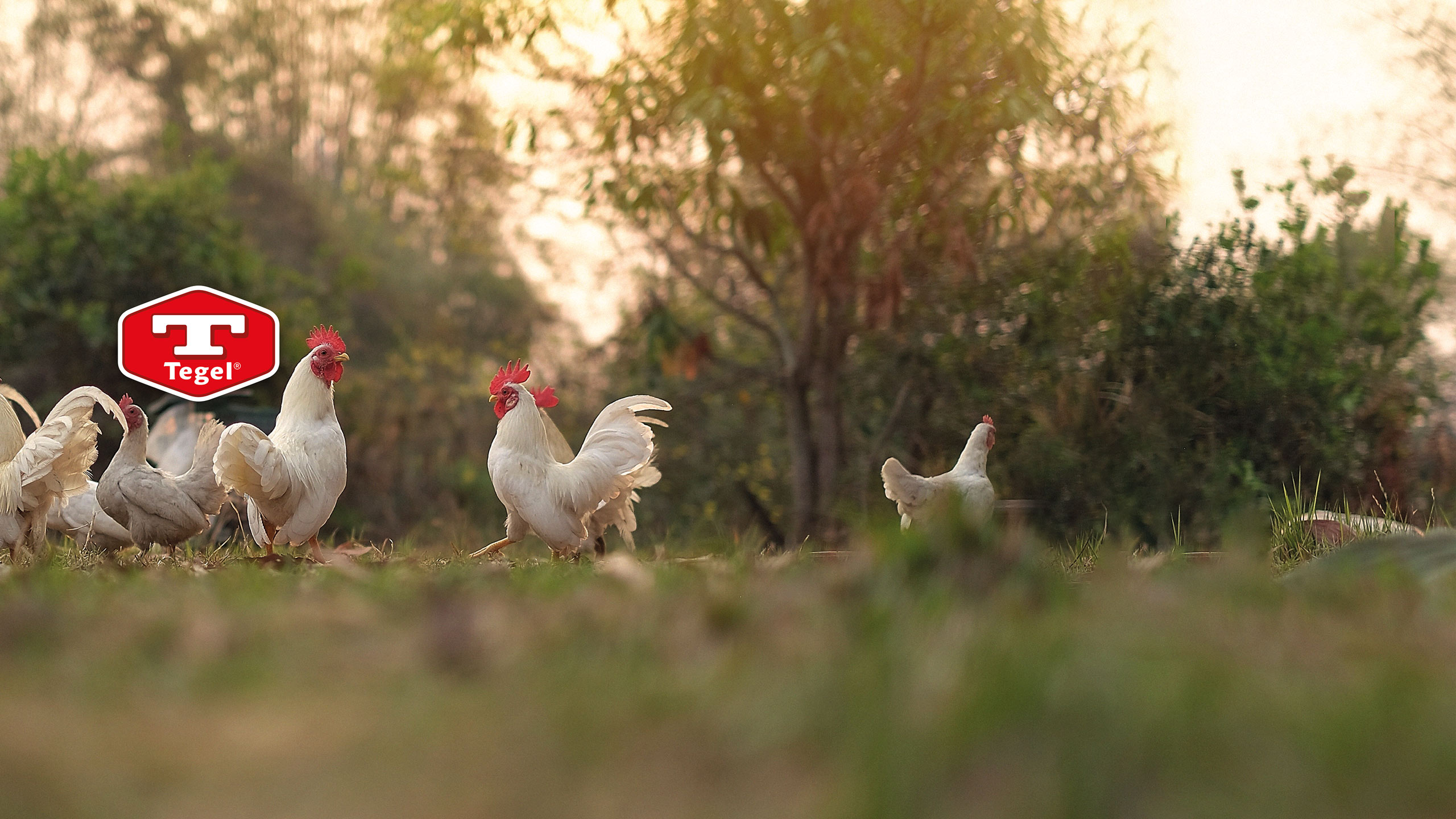
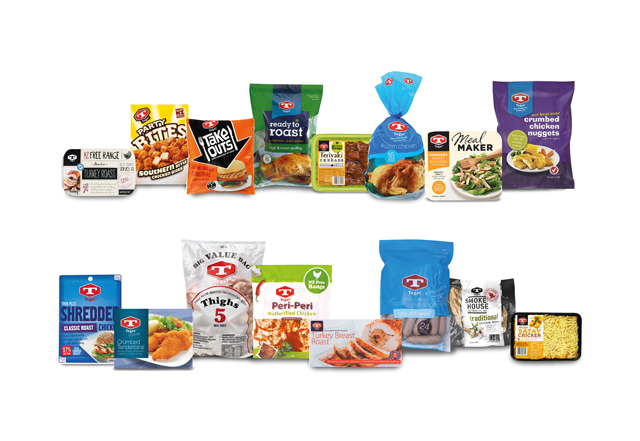
Tegel had long been an iconic New Zealand brand, yet its presence on shelf had become increasingly confused. Our audit uncovered more than eleven versions of the logo in active use. Colour application varied widely. Although the brand was historically associated with blue, this appeared only sporadically across the portfolio, creating a schizophrenic and incoherent impression. With more than thirty sub-branded product offers across Fresh, Frozen, Packaged Deli and Hot Cooked, the brand had lost the unity and confidence expected of a national market leader. This fragmentation weakened Tegel’s position. Years of unstructured product development had created SKU proliferation and inconsistent design execution. The result was a declining share of mind, shelf presence and value, with pressure coming from premium free-range competitors at one end and private label at the other. Tegel needed a comprehensive reset that would respect its heritage but rebuild clarity and leadership across every point of purchase.

Approach

In late 2015, we embarked on a full repositioning of the brand. Blue was mandatory and could not be abandoned; it was too deeply rooted in Tegel’s history. The problem lay in how to make blue work as the anchor colour while still achieving variant differentiation, warmth, appetite appeal and clear category navigation. The answer came in shifting to a paler, more natural sky blue that felt fresher, lighter and more open. This created a calm, unifying canvas that allowed colour, flavour cues and delicious imagery to stand out without visual conflict.

From this foundation, we built a coherent sub-brand hierarchy and introduced disciplined structure across the portfolio. Category-specific cues supported distinct shopper missions, while provenance and animal welfare assurances were brought forward with far greater clarity. A dynamic family look ensured consistency across more than 240 SKUs and an extensive export range. The design system had enough flexibility to express different need states across Fresh, Frozen, Deli and Hot Cooked, yet remained unmistakably Tegel in every environment.

Result

The revitalised identity re-established Tegel as a cohesive and confident brand across the store. What had been a scattered, inconsistent presence became a unified system with clear differentiation, strong appetite appeal and a modern expression of its heritage. The new sky blue provided the consistency the brand desperately needed while unlocking the space for sub-brand colour, photography and communication to work with greater impact. Shelf navigation improved, category recognition lifted and Tegel regained the visibility and authority it had been losing. The clarity and structure of the new system strengthened the brand’s ability to compete at both the premium and value ends of the market, supporting renewed growth in an intensely competitive grocery landscape.

Key takeaway

A mandatory colour can be a constraint or a strategic anchor. By reframing blue through a more natural sky tone and rebuilding the system around it, we transformed Tegel’s fragmented identity into a coherent, emotionally engaging brand with the strength to lead again.
 

Before
St Cuthbert’s

CHALLENGE

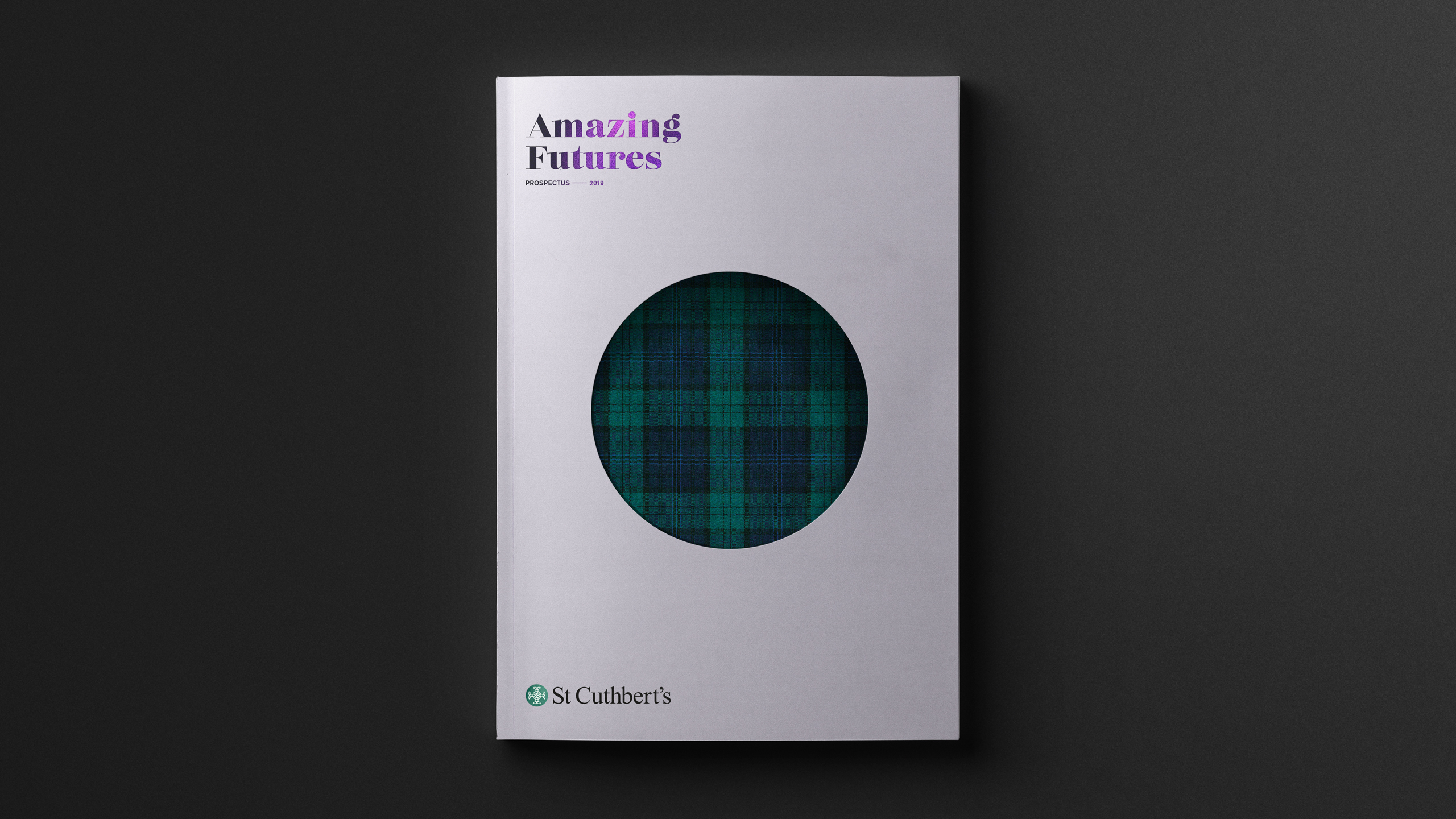
In 2018, St Cuthbert’s College refined its brand strategy around a new essence : Making Girls Amazing. The challenge was to translate this powerful idea into a contemporary visual identity that reflected the school’s academic excellence, spirit of empowerment and strong sense of community, while engaging both current families and future students.

APPROACH

We worked with the school to evolve their visual identity and apply it consistently across key communications. The new direction brought warmth, confidence and clarity to every touchpoint, balancing tradition with modernity. From the refreshed website and Open Day materials to the flagship 2019 Prospectus, the design expressed the energy, curiosity and potential of St Cuthbert’s students.

RESULT

The refreshed visual identity brought the brand essence to life, creating a cohesive and inspiring expression of what the school stands for. Each piece of communication now reflects a balance of heritage and forward thinking, helping St Cuthbert’s connect more meaningfully with parents, students and the wider community.

KEY TAKEAWAY

By aligning design with purpose, the brand now embodies the school’s belief in empowering young women to achieve their best – a confident, uplifting expression of Making Girls Amazing.

Sugartree Lane

Challenge

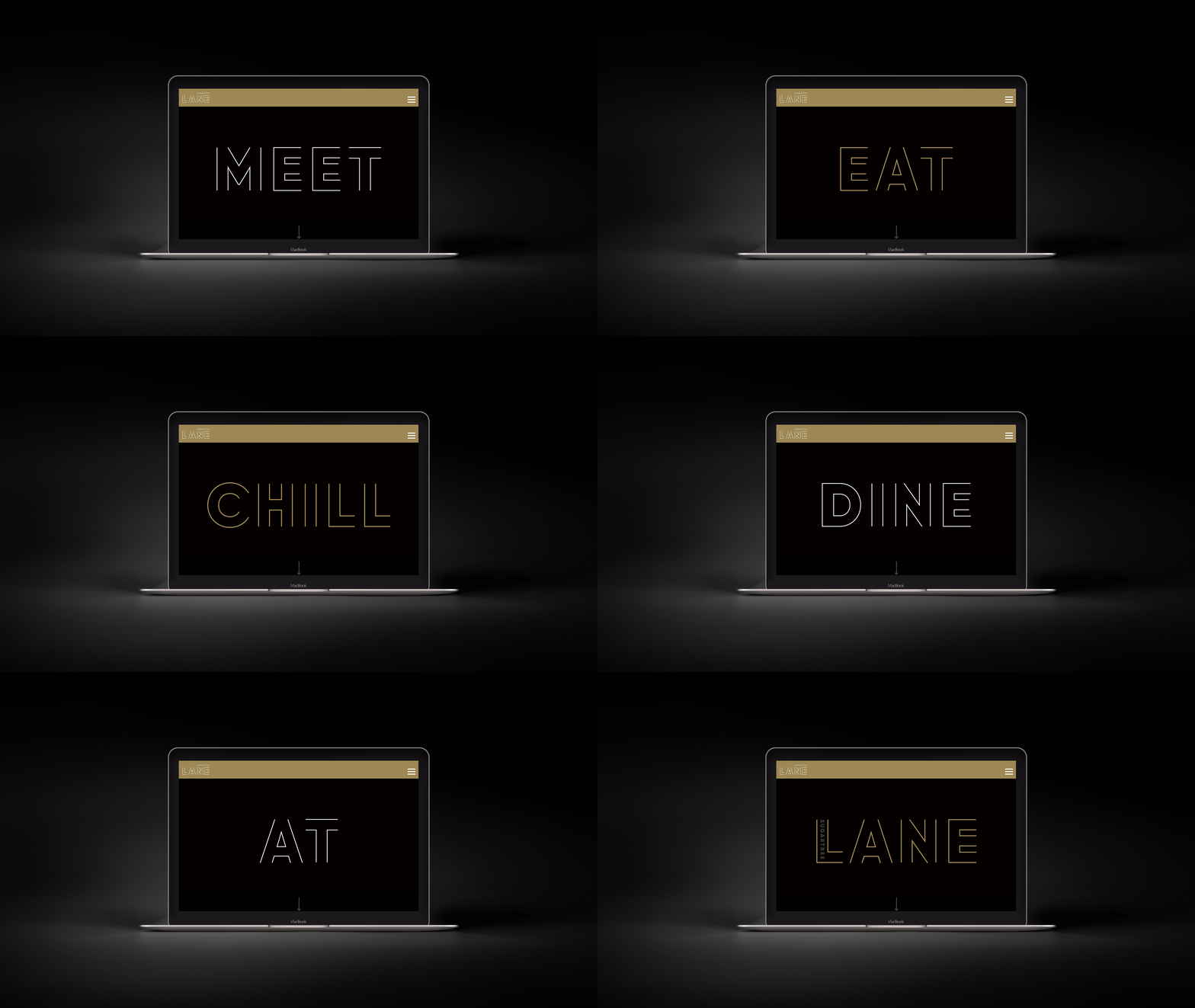
As Auckland’s urban centre continued its rapid densification, a new style of inner-city living was emerging on the fringe of the CBD. During the early stages of the development, we were asked to create a name for the residential precinct. Through our site visits and stakeholder conversations, we discovered that although the development was surrounded by offices, apartments, tarseal and concrete, its design featured an unexpected internal garden oasis. This contrast between the hard urban edge and the calm, green heart inspired the name SugarTree – a place where residents could step into something softer, more natural and more human.

As construction progressed, a dedicated retail precinct began to form underneath and around the buildings. This new area needed its own identity to attract tenants, articulate its commercial potential and position it as a destination within what would become a thriving urban neighbourhood. Situated within a golden triangle linking Ponsonby, Grey Lynn and Freeman’s Bay, the precinct was well placed but undefined. It required a brand capable of expressing the energy, flow and opportunity inherent in its laneway configuration.

Approach

Building on the established SugarTree masterbrand, we created the name SugarTree Lane to define the retail heart of the development. The name maintains connection to the original SugarTree idea — a moment of calm and discovery within the city — while signalling a distinct precinct shaped by movement and street-level experience.

The identity draws from the open laneway layout, creating a visual language centred on flow, connection and exploration. Confident typography, contemporary forms and a warm urban palette express the character of a modern city-fringe destination. Messaging focuses on possibility, positioning SugarTree Lane as a place where businesses can thrive and where visitors can enjoy a shifting mix of food, retail and culture. The website and leasing collateral were developed to support commercial conversations, clearly presenting location benefits, lifestyle appeal and long-term opportunity.

Result

SugarTree Lane gained a clear, compelling identity that transformed an emerging retail strip into a believable destination. Naming, identity and messaging worked together to articulate its purpose within the broader development and within Auckland’s evolving urban fabric. Prospective tenants were given clarity and confidence around the opportunity, while the public gained a strong sense of a place designed for movement, connection and everyday discovery. The identity continues to provide a robust platform as the precinct grows and the surrounding community matures.

Key takeaway

A name rooted in genuine place insight creates a brand with depth and longevity. SugarTree Lane shows how a thoughtful naming and identity system can turn a new precinct into a recognisable, desirable destination long before the final buildings are complete.

Kirk Group

Challenge

Kirk Group is a leader in pre-press and print technology, operating across Australia, New Zealand, Asia and India. As the business continued to grow, its identity no longer reflected the scale and sophistication of its offer. The organisation needed to bring its regional operations together under one cohesive brand that clearly articulated its vision, capability and technical leadership. The objective was to position Kirk Group as one group, with one direction, delivering an end-to-end service from design through to print.

Approach

We created a bold and contemporary brand profile that captures Kirk Group’s technical excellence and innovative mindset. Strong imagery and a vibrant colour system became the foundation of the visual language, ensuring standout across markets. The brand showcases their best-in-class pre-press and print technology while giving them a distinctive and unified presence at every touchpoint.

Result

The refreshed identity presents Kirk Group as a single, globally connected business with a clear and confident voice. From printed materials to digital environments and workspace interiors, every element reinforces their precision, quality and forward-thinking approach.

Key takeaway

By unifying their global operations under one powerful identity, Kirk Group now stands as a world-class brand shaping the future of design, pre-press and print solutions.

Service Foods

CHALLENGE

Service Foods are New Zealand’s largest privately owned and operated food service distribution business. Despite their scale and vertical integration, including their own growers, butchery, fishery and bakery, many in the market did not fully understand the breadth or quality of what they offered. The existing identity, anchored by a chef icon, unintentionally positioned them closer to a catering company than a national supplier of premium produce. The challenge was to create an identity that reflected the true depth of their operation, the quality of their sourcing and the scale of their national presence.

APPROACH

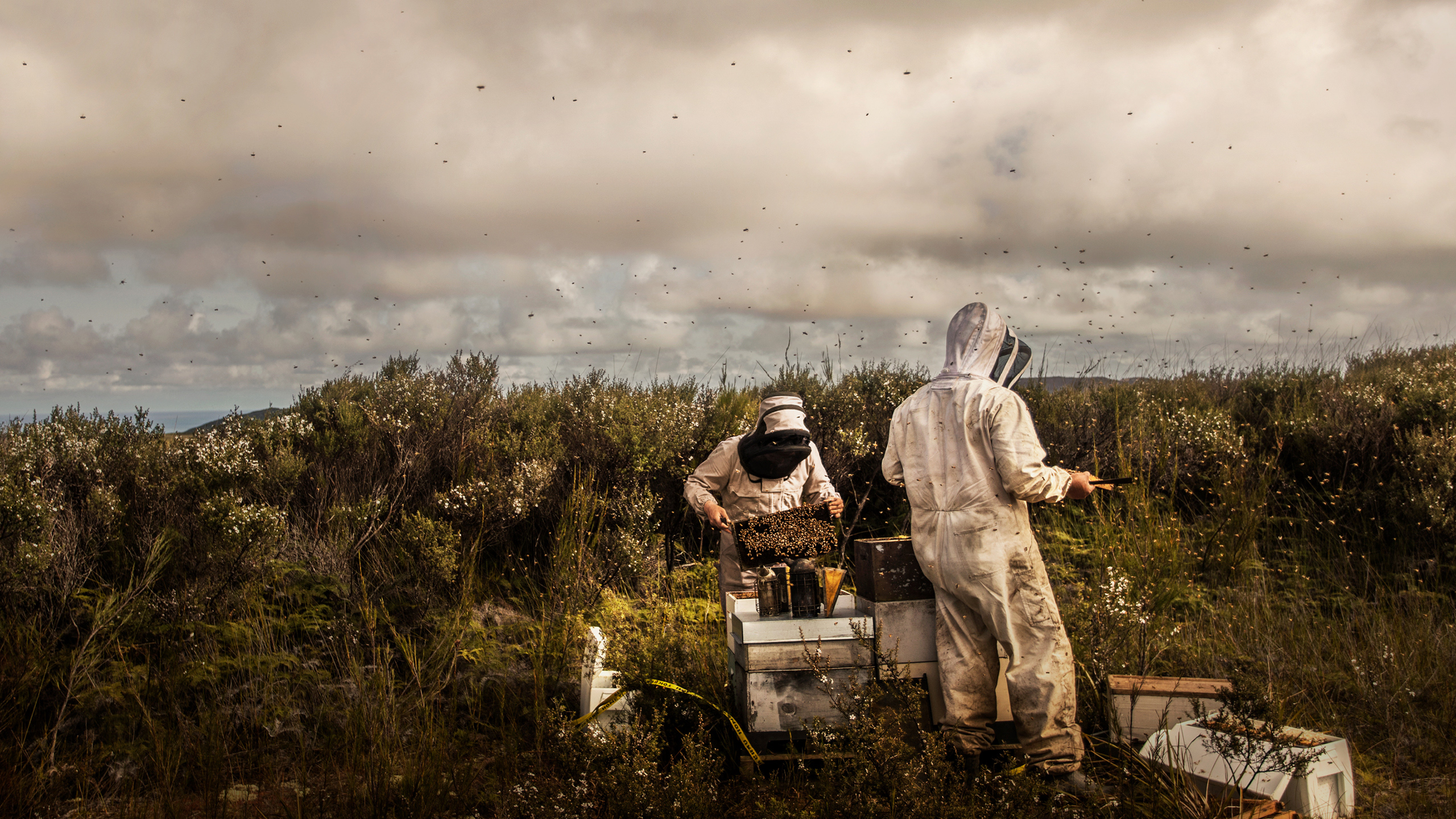
We reframed the brand around its real strength : the direct connection between source, quality and delivery. The new identity was built to tell this story with clarity and impact. Dramatic photography became central to the system, capturing ingredients at their origin and showing the raw, honest beauty of the food itself. These images highlighted the calibre of their growers, fishermen, butchers and bakers, and reinforced the idea that Service Foods begins at the source, not at the warehouse.

This bold visual language carried through every touchpoint. Video content showed ingredients being selected, prepared and transported, giving motion and narrative to the supply story. Digital channels used these same dramatic visuals to create standout and immediacy. Fleet livery turned their trucks into moving billboards showing New Zealand’s best produce at scale. Trade shows and customer presentations adopted the same style, immersing viewers in the world of quality sourcing and elevated service. Across all media, the design removed the outdated chef symbolism and replaced it with a confident, service led identity that champions provenance, care and expertise.

RESULT

The rebrand transformed how Service Foods was perceived in the market. What was once seen as a logistics business became recognised as a trusted partner committed to quality and provenance. The dramatic imagery and consistent design language unified the brand across every environment, from trucks and warehouses to digital platforms and promotional spaces. The new identity presented Service Foods as a national leader with a clear and distinctive point of view on sourcing and service.

KEY TAKEAWAY

When a brand shows the truth behind its operation with clarity and conviction, perception shifts. For Service Foods, spotlighting the journey from farm to plate turned a functional supplier into a trusted food partner, proving that a strong story, told consistently and dramatically, can elevate a business without altering its fundamentals.


Before

Anchor Export Nutritional

Challenge

Anchor needed a messaging platform for its Pacific markets that would guide all communication for the next three years. The platform had to cover the full spectrum of Anchor’s offer : from the everyday goodness of milk through to more complex nutritional benefits across a portfolio of dairy products. The challenge lay in creating a unified campaign that would resonate across vastly different markets. These ranged from sophisticated, French-influenced food environments in New Caledonia to rural communities in Papua New Guinea, where dairy familiarity and nutritional knowledge varied significantly. Anchor required a story that could cut through these cultural and educational differences. It needed to be simple enough to grasp instantly, strong enough to travel across countries and categories, and flexible enough to anchor a long-term communications strategy.

Approach

We conducted in-depth research across the Pacific to uncover the single most compelling message that could be understood and valued everywhere. The insight was clear and universal : dairy products help kids grow strong. This truth transcended cultural nuance and created a powerful foundation for the platform. Alongside this, we discovered that aspirational nutrition – stronger, fitter, healthier – held deep emotional currency for parents and caregivers. These findings formed the creative springboard for the campaign. While milk remained the heart of Anchor’s offer, we needed to express that Anchor is more than milk. Everything originates from the simple goodness of pure dairy, and this became the backbone of our messaging: Anchor is made from the goodness of milk.

To communicate this visually, we combined great lifestyle imagery with simple, expressive illustrations that highlighted the benefits of dairy. This dual-system approach meant that even without reading a headline, viewers could instantly understand the nutritional value of the products. The blend of photography and illustration created warmth, accessibility and emotional resonance, while giving the campaign a flexible visual language that could stretch across packaging, in-store, digital, outdoor and educational materials.

Result

The messaging platform provided Anchor with a clear, unified story that could operate confidently across diverse Pacific markets. The core message ‘dairy products help kids grow strong‘, anchored every communication layer, ensuring consistency while allowing each market to express relevance in its own context. The combination of imagery and illustration proved especially effective, enabling quick comprehension and emotional connection regardless of literacy levels or familiarity with dairy nutrition. The campaign elevated understanding of Anchor’s full nutritional offer and strengthened the brand’s role as a trusted partner in family wellbeing. It created a platform with enough longevity to guide multiple years of communication, product launches and market activations across the Pacific.

Key takeaway

When markets vary widely in knowledge and culture, the most powerful story is often the simplest one. By grounding the platform in a universal truth and expressing it through imagery and illustration that communicated benefits at a glance, Anchor gained a compelling, flexible and long-lasting foundation for growth across the Pacific.

Munch’n

CHALLENGE

Freshmax, one of the largest fresh produce companies in the Pan-Pacific region, wanted to create a brand that could unify its premium berry portfolio – from kiwiberries and blueberries to cherries and strawberries. The challenge was to build a distinctive fresh-produce brand that could live confidently across multiple fruit types while balancing strong brand presence with essential product visibility. In a tactile category where consumers inspect freshness before purchase, simplicity, trust and instant appeal were key.

APPROACH

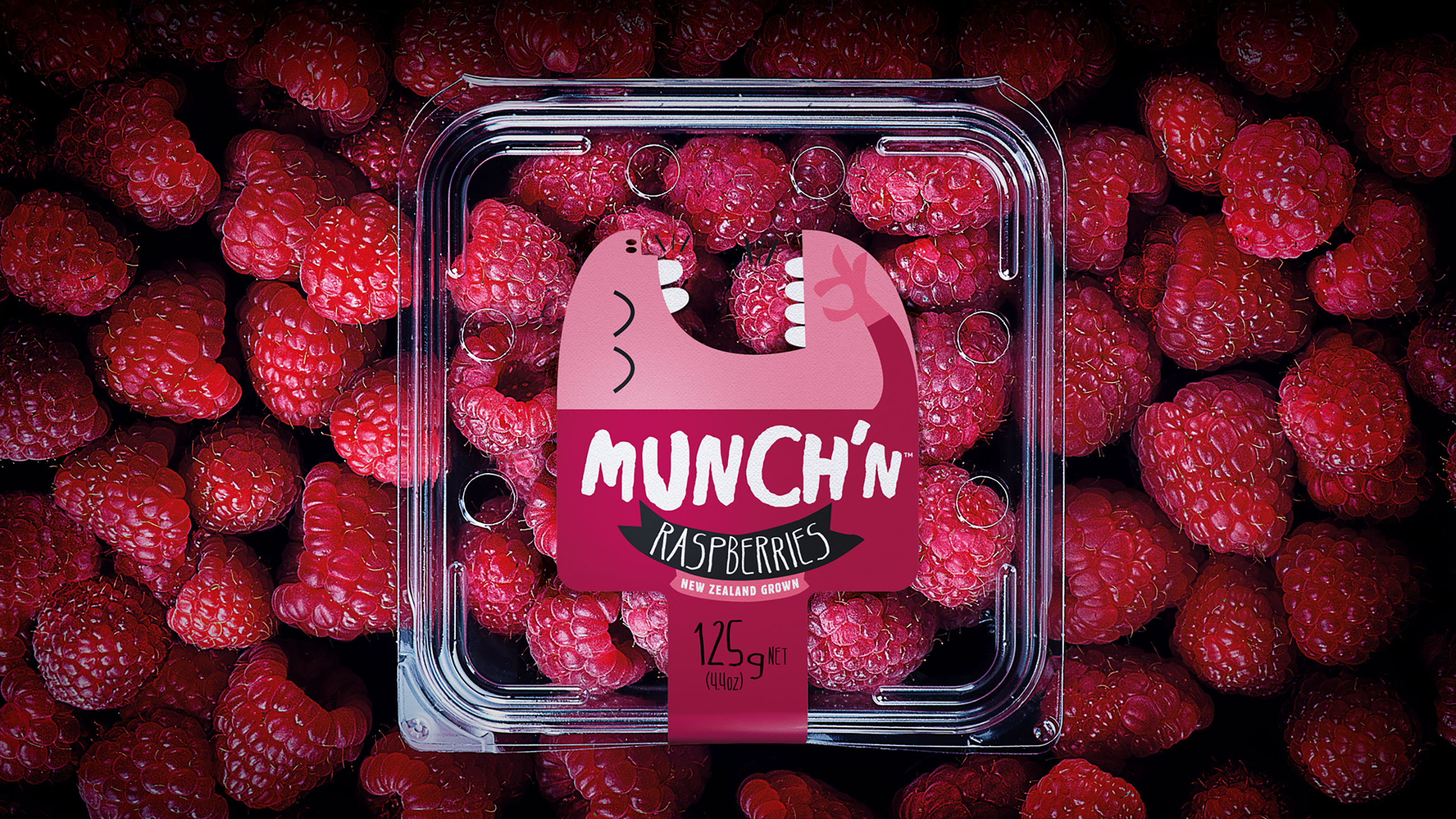
The idea for Munch’n was inspired by the irresistible, bite-sized nature of the fruit – perfect mouthfuls you can’t stop popping. The identity was designed to be bold, playful and immediately recognisable, using clean shapes and vibrant colours to ensure standout on small punnet labels. The design struck a careful balance between branding and transparency, letting the fruit remain the hero. Beyond packaging, the brand was brought to life through a digital-first campaign – building excitement before the season launched, engaging consumers across social media, and running a countdown as the harvest came to an end.

RESULT

Munch’n quickly established itself as a standout produce brand, recognised for its freshness, simplicity and personality. The identity’s flexibility allowed it to extend seamlessly across the wider berry range, creating a consistent family look at retail while supporting strong engagement online. The campaign helped drive anticipation and brand awareness in a category not typically associated with brand loyalty.

KEY TAKEAWAY

Even in categories where product drives purchase, a strong brand creates emotional connection. Munch’n proves that fresh produce can be both natural and branded – simple, joyful and full of flavour, just like the fruit itself.